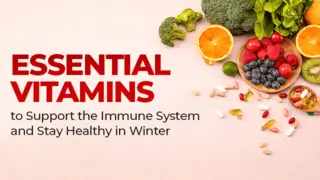
Falling ill too frequently can slow down your energy, impact your mood and disrupt your daily schedule. That is why so many people are now focused on building a strong immune system. Immunity is not something you feel directly. But when it fails, your body takes longer to recover.
It becomes more difficult to cope with even minor infections. The notion of boosting the immune system with improved food and essential nutrients is not new. It is based on observation, daily experience and years of nutritional study.
Daily exposure to environmental stress, poor eating habits and less sunlight have made people more aware of the importance of nutrition. Immune-Support vitamins are now being discussed widely as part of this awareness. These are not instant cures. Instead, they said the immune system in the background.
Why and How Your Immune System Needs Support
Your immune system works without asking for attention. It identifies invaders and protects your body. But it cannot do everything alone. A lack of balance in your lifestyle or food choices may create gaps in your immune response.
Many people ask how they can improve their immune system. Some look to dietary changes, others think of lifestyle improvements. While there is no guaranteed way to make immunity perfect, several steps can help. These include proper rest, clean food, controlled stress, and vitamins that support defense cells.
Scientists are still studying how immunity responds to changes in diet and stress. What they do know is that a healthy routine makes your immune system more stable. That stability protects you during times of illness or physical weakness.
Vitamin C - Provides the RDA for Each Vitamin
Vitamin C is one of the most discussed nutrients to support immunity. And with good reason. This vitamin may help to produce white blood cells. These cells travel around the body to combat infection. They act like scouts and guards and help you recover faster from illness.
Vitamin C also protects those white blood cells from damage. It combats harmful molecules in your system and protects cells from decay. That helps to keep your immune balance over time. In addition, Vitamin C is delivered to your skin where it fortifies the outer barrier.
Fruits like oranges and vegetables like bell peppers provide rich amounts of Vitamin C. Kale is another good option. If your meals aren't varied, then supplemental vitamins may help fill the gap. That way, your body does not fall short in a time of need.
Vitamin D - Sunshine in a Vitamin
Your body is unable to absorb calcium properly without adequate Vitamin D. It is necessary for bone strength. But that is only part of its role. Vitamin D is also involved in immune health, brain performance, and muscle control.
One concern is that many people do not get enough sunlight. You may live in a cold area or spend most hours indoors. If that is the case, your Vitamin D levels may drop without you knowing. Darker skin also limits the amount of Vitamin D that your body produces from sun exposure.
Good sources include fatty fish such as salmon, canned tuna, egg yolks and mushrooms. Fortified orange juice is another good choice. A blood test can be done to check your Vitamin D levels. If necessary, a supplement may be added depending on the advice of your doctor.
Vitamin A - The Germ Blocker
Vitamin A plays an important part in keeping germs out of your body. It does this by supporting the barriers in your lungs, eyes, gut, and reproductive system. These barriers trap bacteria and slow down infections before they spread.
This vitamin also helps in the creation of white blood cells. These cells move through your system and remove pathogens from your bloodstream. Without enough Vitamin A, your ability to fight infection may become slower.
Children and pregnant women are especially at risk when this vitamin is low. Foods like eggs, carrots, sweet potatoes, and spinach are natural sources. If these are missing from your plate often, you may benefit from taking dietary vitamins that include Vitamin A.
Vitamin E - The Cell Protector
Vitamin E has the job of defending your cells. It does this by blocking the effects of free radicals. These unstable particles cause long-term damage and increase with age. This damage affects your immune strength over time. Vitamin E also supports red blood cell health and allows cells to communicate properly. That is important when your body is under pressure.
Sunflower oil, almonds, peanuts, and leafy greens all contain this vitamin. Some cereals and packaged spreads are also fortified with it. If your meals are missing these foods, immune- support vitamins containing Vitamin E may be helpful.
Vitamin B6 - The Helper Vitamin
Vitamin B6 is important for the function of nerves, red blood cells, and oxygen. It is also involved in forming chemical signals used by the brain to transmit messages. These messages influence the way your immune system behaves when you are stressed or recovering.
When your body fails to produce sufficient quantities of these signals, you may feel run-down. Over time, this may impact how quickly you recover from illness. Sources of B6 include chickpeas, beef, salmon, tofu and tuna. When your diet is lacking in these, then a supplement containing Vitamin B6 may help support a strong immune system.
Why You Should Choose Food First and Supplements Second
Food is more than a source of isolated vitamins. It contains fiber, enzymes and supportive compounds which your body recognizes. That makes it easier and safer to absorb in the long run. Supplements are meant to fill the gaps. But they might also interact with the medicine or cause side effects.
For that reason, doctors suggest obtaining your nutrients from meals first. Take supplements of vitamins only when your meals are inadequate or if your health conditions require additional assistance. Keep in mind that supplements are not very closely regulated. So, always consult a medical expert before adding something new to your routine.
Simple Habits That Strengthen Immunity
Immune strength is not about high doses of any single vitamin. It grows when your daily choices support your body consistently. Try these steps to support long-term health:
- Eat fresh fruits along with leafy greens and protein-rich foods
- Get daylight exposure where possible to support Vitamin D levels
- Sleep for seven hours or more to support natural healing
- Keep stress under control using movement or slow breathing
- Add dietary vitamins when you notice regular gaps in your meals
These habits may appear simple but when repeated often, they build a natural base for immunity and wellbeing.
Conclusion
Your immune system needs more than attention during flu season. It works all year. That is why it needs steady support. Food is your first source of defense. But modern life sometimes makes it hard to get all nutrients from the plate. That is when supplemental vitamins can make a difference, especially when chosen with care.
If you want a reliable way to support your health, Revital offers convenient solutions built for today’s lifestyle. Their products help you meet nutritional needs without adding stress or confusion. When meals fall short, Revital can help fill that gap.